

The Library
The ring, from the inside
Here is what keeps a ring beautiful, from the right size to the gold and its finish, the wall thickness and the profile. The rest is answered at your appointment.
-
-
-
-
-
-
-
-
-
-
-
-
-
Find your size
Rings
Your ring size is a single number, the inside circumference of the ring in millimetres, as set by ISO 8653. It is also the European size, and the North American size is a usual conversion, shown as approximate.
- A ring that fits
- Measure its inside diameter, edge to edge, and find it in the table. It is a discreet way to prepare a proposal.
- A thread or a strip of paper
- Wrap it around the base of the finger, mark where it meets, lay it flat and measure. That is the inside circumference.
- Sizing rings
- At your private appointment, your size is confirmed with the House’s sizing rings.
- A ring that no longer fits
- It is adjusted to your finger. For a ring made by the House, resizing is offered within the first year. Priority Care
| US · CA | EU | Circumference, mm | Diameter, mm |
|---|---|---|---|
| 4 | 47 | 46.8 | 14.9 |
| 5 | 49 | 49.3 | 15.7 |
| 6 | 52 | 51.9 | 16.5 |
| 7 | 54 | 54.4 | 17.3 |
| 8 | 57 | 57.0 | 18.1 |
| 9 | 60 | 59.5 | 18.9 |
| 10 | 62 | 62.1 | 19.8 |
| 11 | 65 | 64.6 | 20.6 |
| 12 | 67 | 67.2 | 21.4 |
These inside measurements are a guide. At your appointment, your real measurements are taken. Half sizes and sizes beyond the table are made on request.
Request a private fittingNecklaces
Choose a length by where you want the necklace to fall. These usual names and lengths are a guide and vary from one house to another. A necklace is measured closed, including the clasp.
- 1Choker350–400 mm · 13.8–15.7 in
- 2Princess430–480 mm · 16.9–18.9 in
- 3Matinee500–600 mm · 19.7–23.6 in
- 4Opera700–900 mm · 27.6–35.4 in
- 5Ropeover 900 mm · over 35.4 in
Bracelets and watches
- The wrist
- Wrap a strip of paper or a soft tape around the wrist, just above the wrist bone, without tightening, and measure it. That is the measurement to give the House, and it differs from the length of the bracelet. As an indication, a woman’s bracelet is usually about 170–180 mm (6.7–7.1 in) and a man’s about 200–220 mm (7.9–8.7 in).
- A bangle
- A closed bangle has to pass over the hand. Bring the thumb towards the little finger, as if slipping on a bangle, and measure around the widest part of the hand.
- A watch, its reference and serial number
- The reference names the model, and the serial number names your watch and no other. Most watches carry both on the case back. Some houses engrave them between the lugs, under the strap or on the ring around the dial, and they also appear in the watch’s papers. There is no need to open the case. What is needed is read at your appointment. Sell to the House
Materials
The House’s signature golds
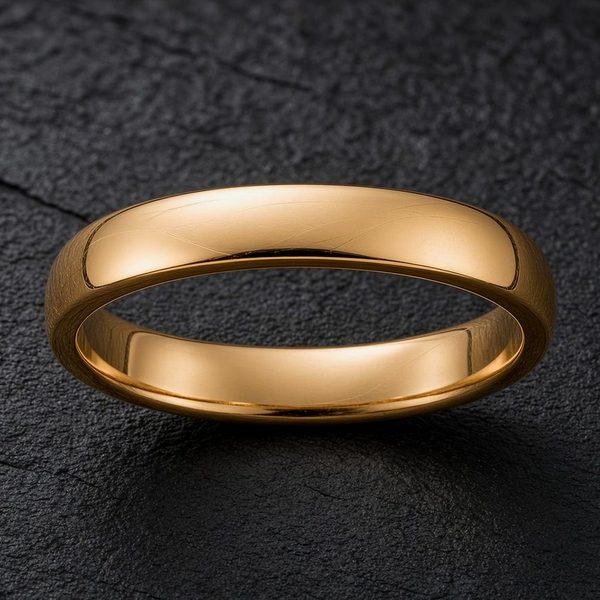
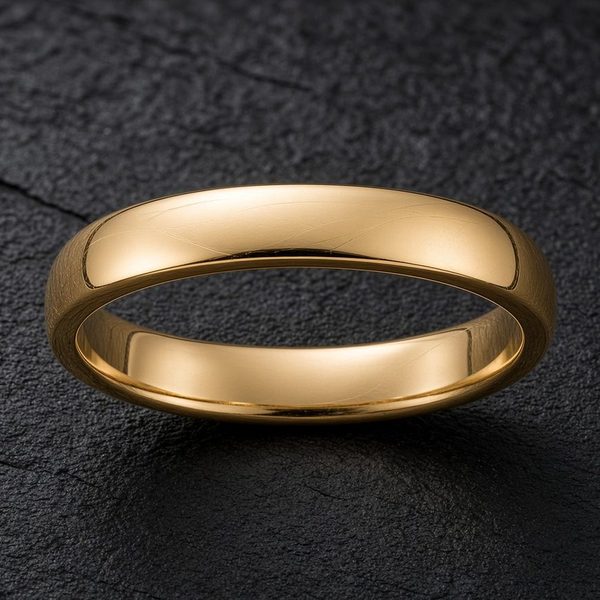
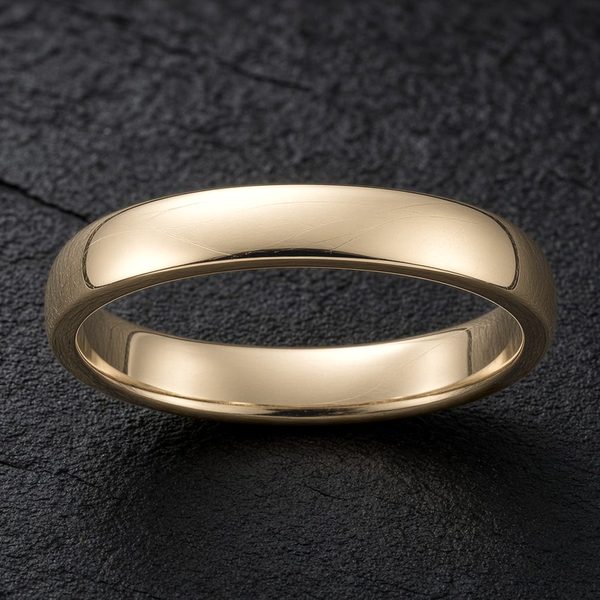
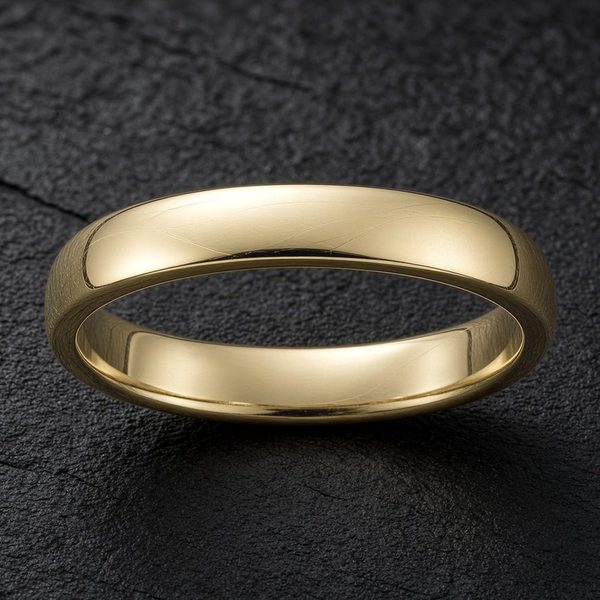
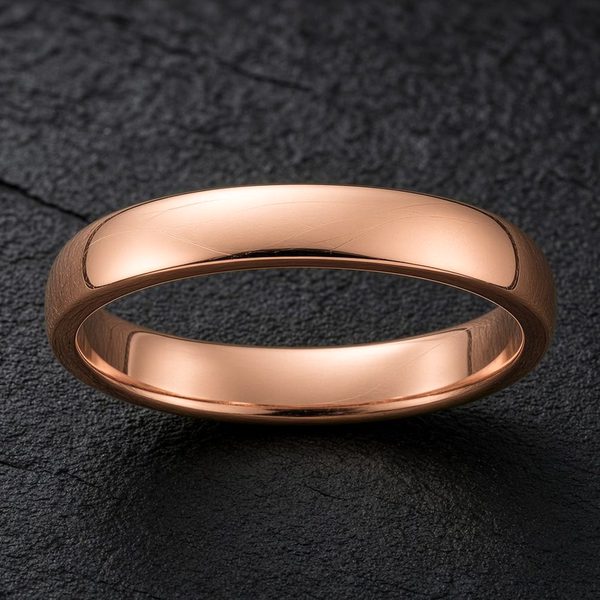
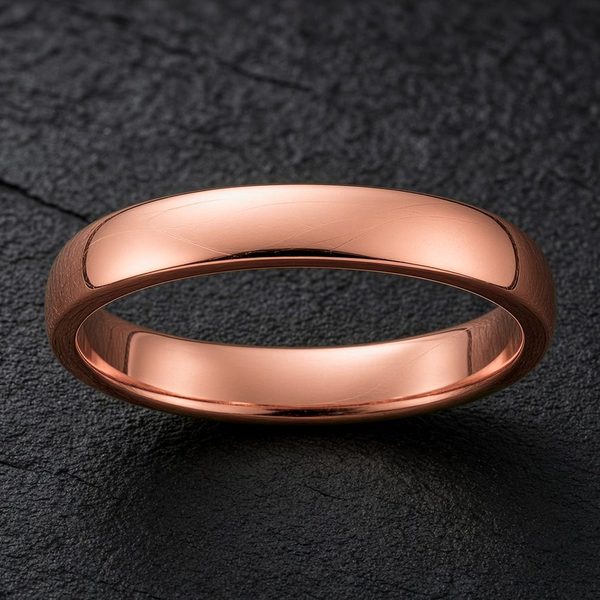
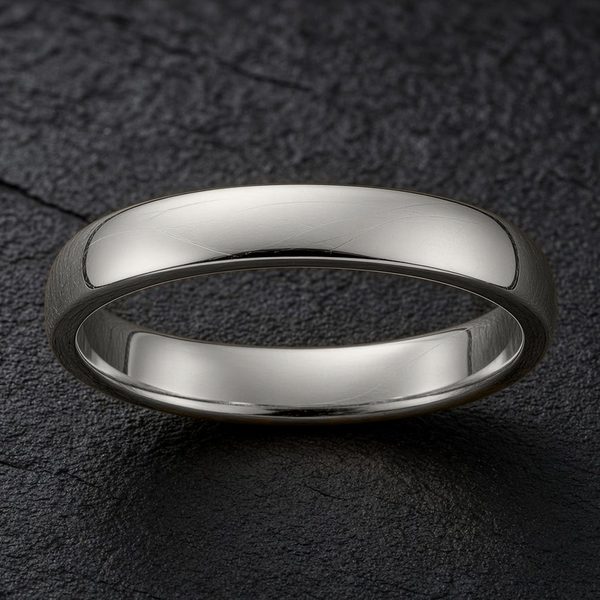
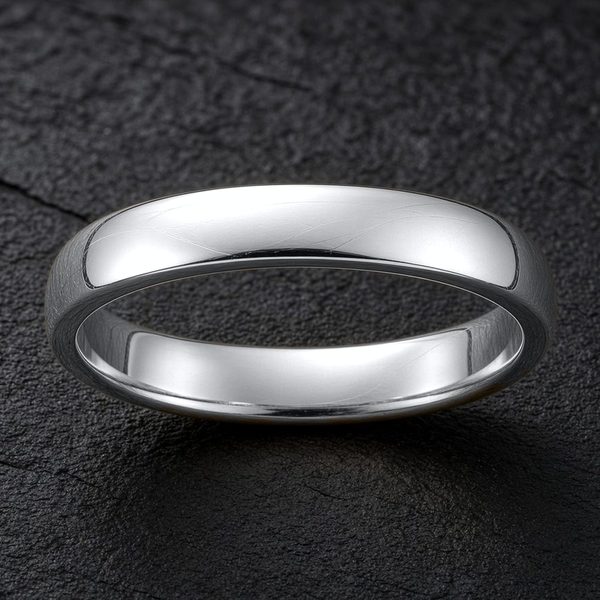
Eight tones of gold, from deep yellow to palladium white, all yours to choose when you draw your ring. The karat tells you how much gold the metal holds. The colour comes from the metals that accompany it, as copper warms it, silver cools it and palladium whitens it.
Yellow
-
-
-
-


Rose
-
-


White
-
-


Karats
- 10 karat · 417
- 41.7% gold
Alloy properties vary. - 14 karat · 585
- 58.5% gold
For everyday pieces. - 18 karat · 750
- 75% gold
The House Preferred. - 22 karat · 916
- 91.6% gold
Yellow tones only, by tradition without a set stone.
Colours on screen are approximate. Choosing your gold, in the Notebook
Finishes
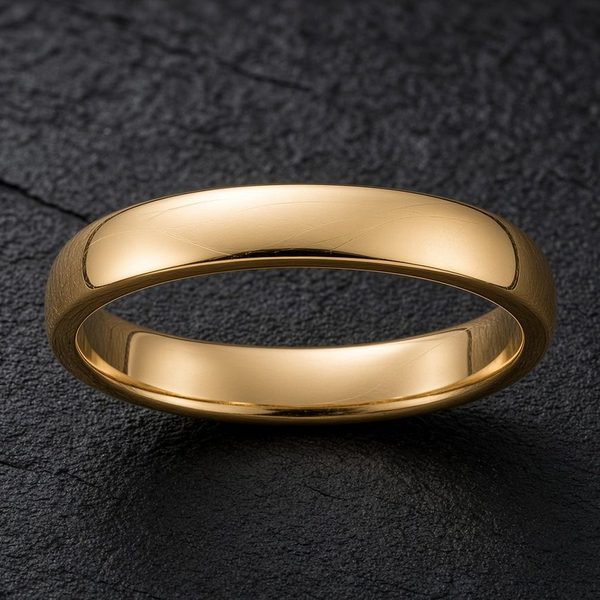
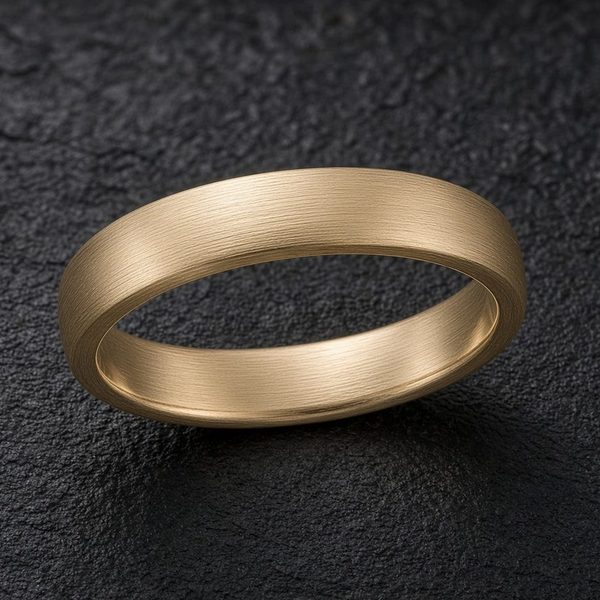
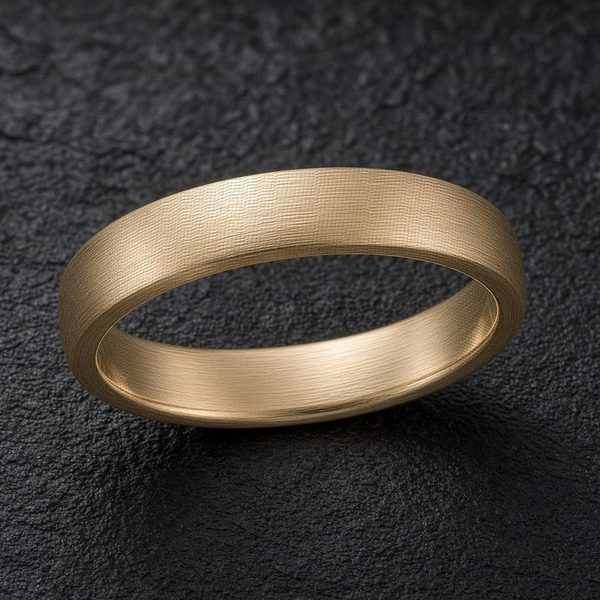
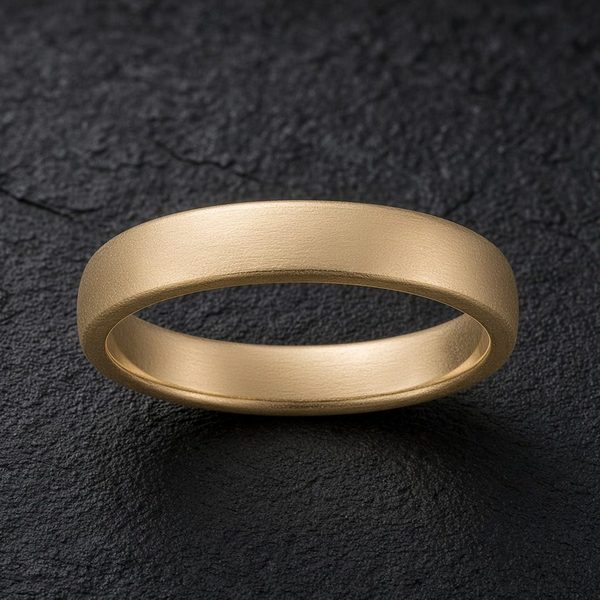
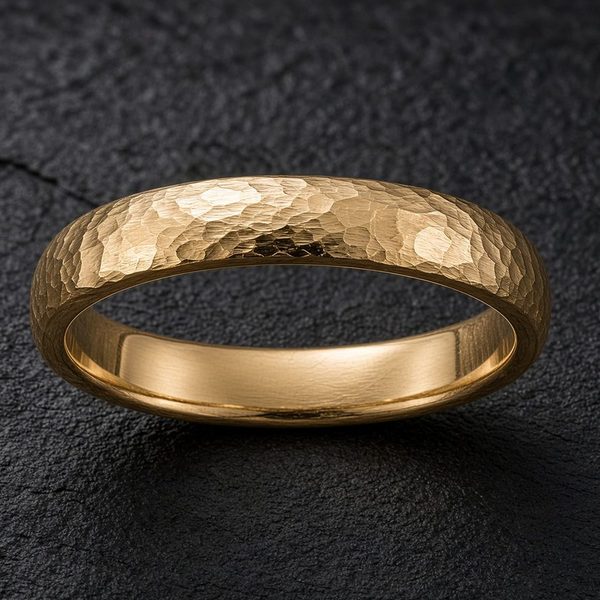
Each finish catches the light in its own way. Here, all are shown on the same band in yellow gold, and you choose yours when you draw your ring.
-
-
-
-
-


The Goldsmith’s Notebook
01 Alloys The right gold for your hand
Pure gold is soft and marks readily, so it is alloyed. Yet the karat alone does not set the hardness, since gold hardens when hammered or rolled and softens when brought back to the flame. The same alloy can leave the bench soft or hard, depending on how it was worked.
- 18 karat · 750
- 75% gold. Chosen for its rich colour and higher gold content.
- 14 karat · 585
- 58.5% gold. A practical choice for everyday wear.
- Yellow
- The classic, gold alloyed with silver and copper, its colour warming as the share of copper rises.
- Rose
- Copper gives rose gold its colour, and makes it a little harder than yellow gold of the same karat.
- White
- White gold gets its colour from the metals in the alloy. Nickel and palladium are commonly used. The colour and need for rhodium plating depend on the formulation and the finish. Palladium white is preferred at the House. Rhodium-plated white is available on request.
- Nickel
- A common contact allergen. If costume jewellery has ever irritated your skin, say so before you choose your gold.
02 Anatomy of a band Made to be worn every day
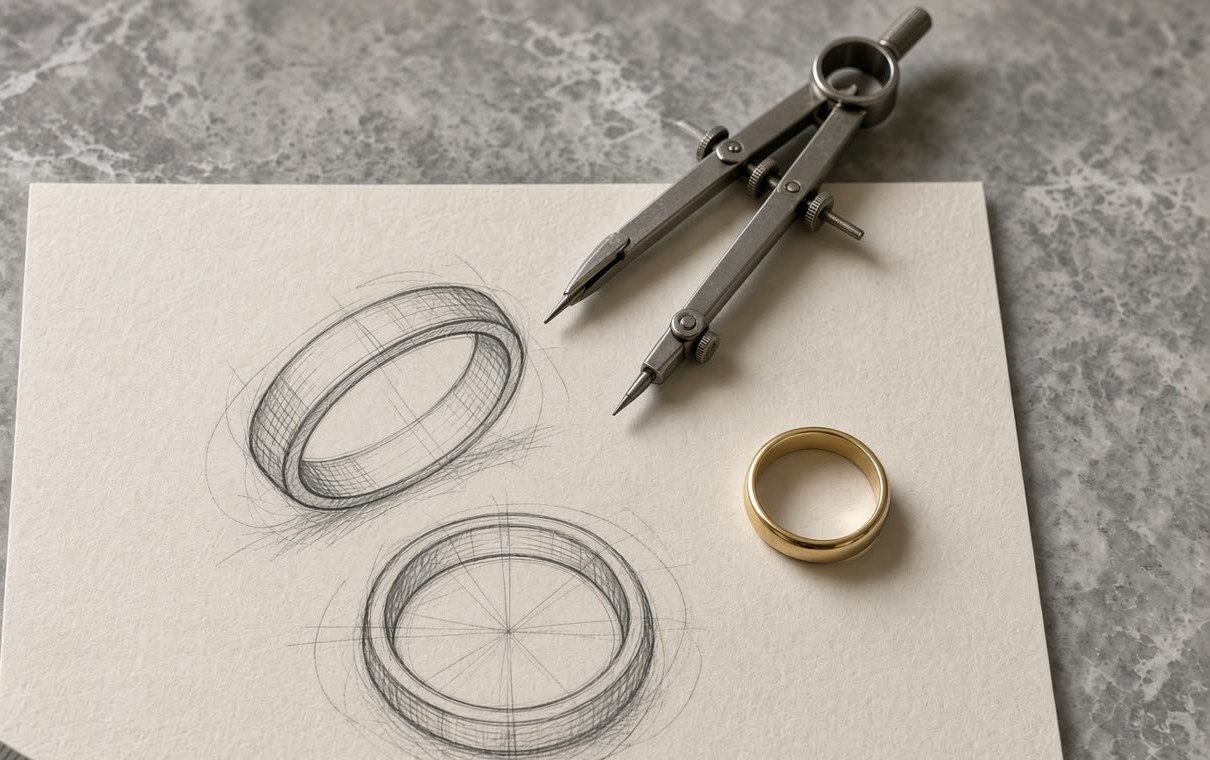
Ask for these four measurements before you choose a band, as they decide its look and its strength. They are written on the drawing you approve.
Width
It is measured across the finger, from about 2 mm to 8 mm. A wider band reads bolder and feels warmer on the hand, while a narrower one almost disappears. Try both before you decide, as between 3 mm and 5 mm the difference is far greater on a hand than on a screen.
Wall thickness
Thickness is considered with the band’s width, profile and alloy. The minimum each type, shape and size of stone requires is known at the bench, as are the settings that hold best.
Profile
The shape of the band in cross-section, which is what you feel on your finger. Flat has crisp edges and a modern line. Court is rounded inside and out, the most comfortable to wear all day. D-shape is flat inside and domed outside.
Inner edge
On a wide band, a slightly rounded inner edge, sometimes called “comfort fit”, lets the ring slip on easily and rest softly on the finger. It is shaped at the finishing stage.
03 Finishes How a finish wears
Every finish changes as it is worn, each in its own way, some softening and others keeping their texture.
- High polish
- It is the brightest finish, and the one that shows every scratch. With daily wear, it softens on its own into a gentle satin, which many come to prefer. A repolish at the House brings back the mirror.
- Satin / brushed
- Its brushed grain hides marks and wears evenly, a forgiving finish for busy hands.
- Matte sandblasted
- Velvety and even, it is the most delicate of these finishes, and at the high points it slowly burnishes back toward a shine.
- Hammered
- Each ring is struck by hand at the bench, so no two are quite alike, and everyday marks melt into the texture. Of all the finishes, it asks the least care.
04 Stones The mounting first, built for the stone
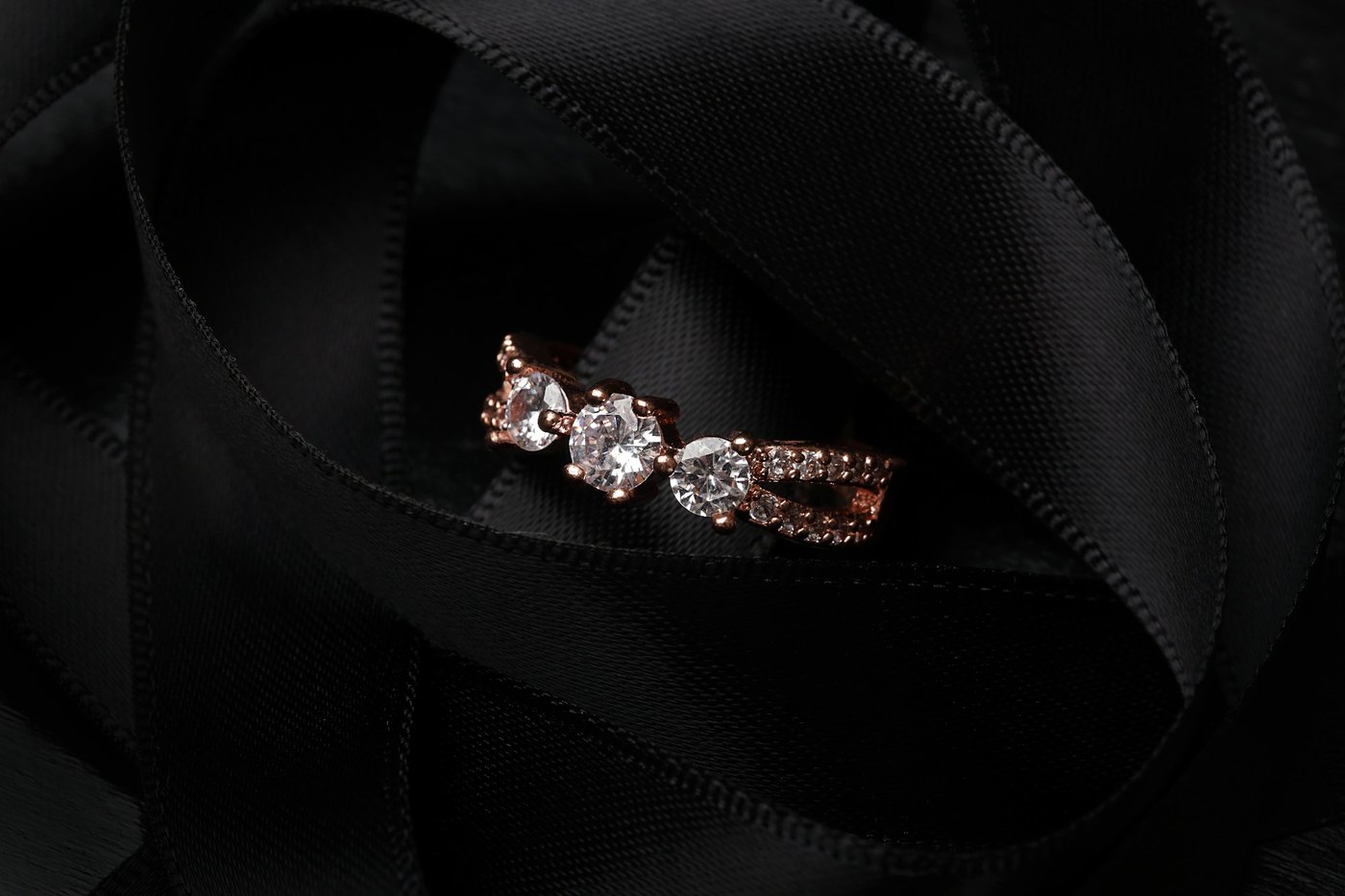
The mounting comes first. It is composed and structured for the chosen stone, for its shape, its size and its hardness.
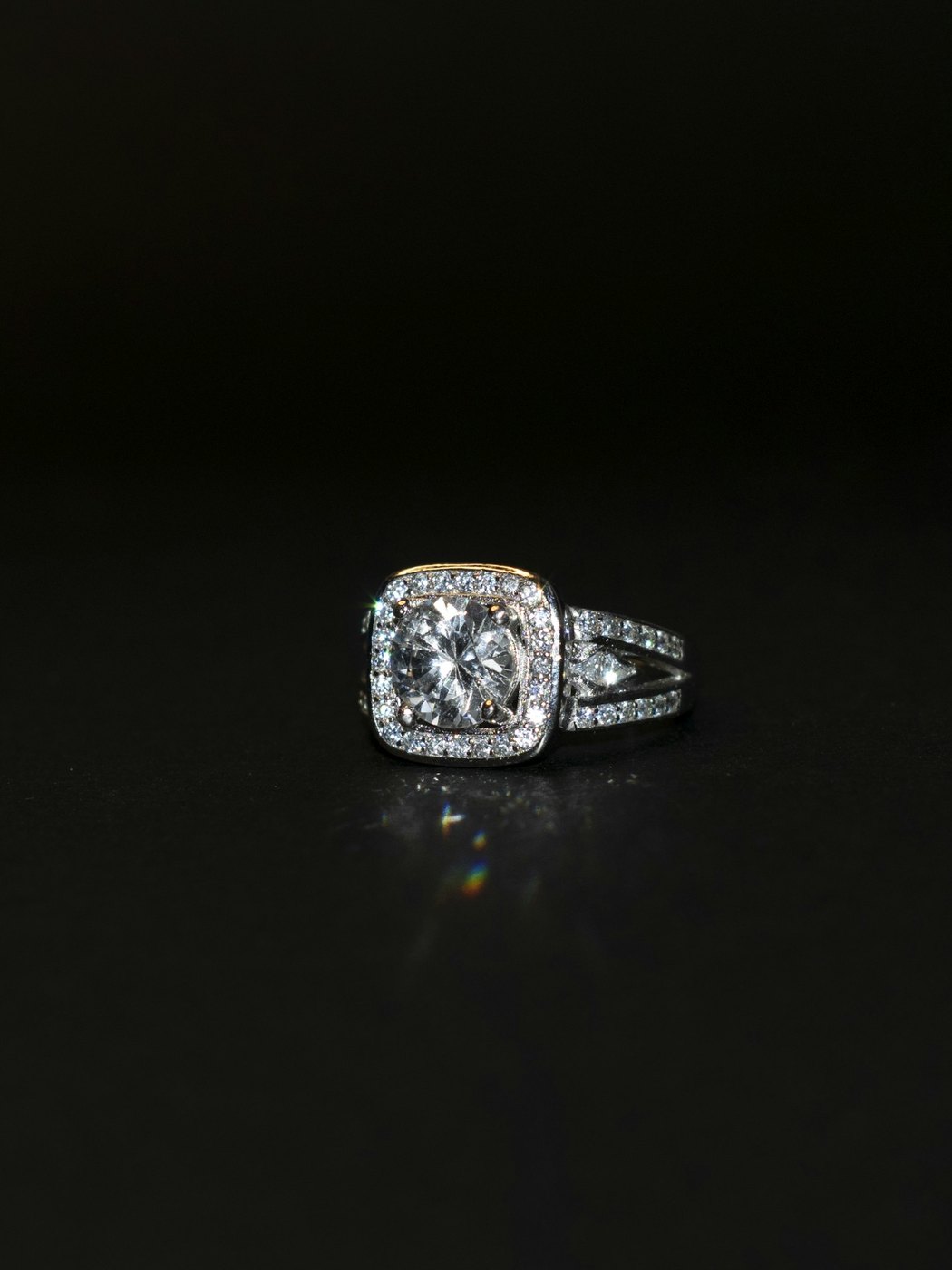
Already have your stones or gems? They are reused. If not, they are supplied by the House. This is a goldsmith’s work, in the setting that holds the stone, the height it sits at, the gold that protects it and the hardness of that gold, chosen for the stone.
Coloured stones each have their own temperament. Sapphire and ruby are hard enough for daily wear, while emerald and opal ask for more care, and a mounting that protects them. How yours will wear is explained to you before the ring is drawn.
A well-built mounting shows the stone at its best and stands up to daily wear, year after year. The stone is set last, into a structure made to hold it.
05 Care Keeping your piece beautiful
- At home, warm water, a drop of dish soap and a soft toothbrush are all it needs.
- Take it off before lifting weights, which can bend even a solid band.
- Take it off for chlorine and bleach. Both attack the copper and silver in the alloy.
- Keep emerald, opal, pearl and any stone with a fracture away from ultrasonic cleaners.
- Store your pieces apart from one another, as gold scratches gold.
- From time to time, bring it to the House, where the setting is checked and the finish revived, with the compliments of the House for some of its pieces.
Elsewhere in the House

L’Atelier
This is where the magic happens, in goldsmithing and watchmaking. New pieces are made here, and jewellery and watches are repaired.
Enter L’Atelier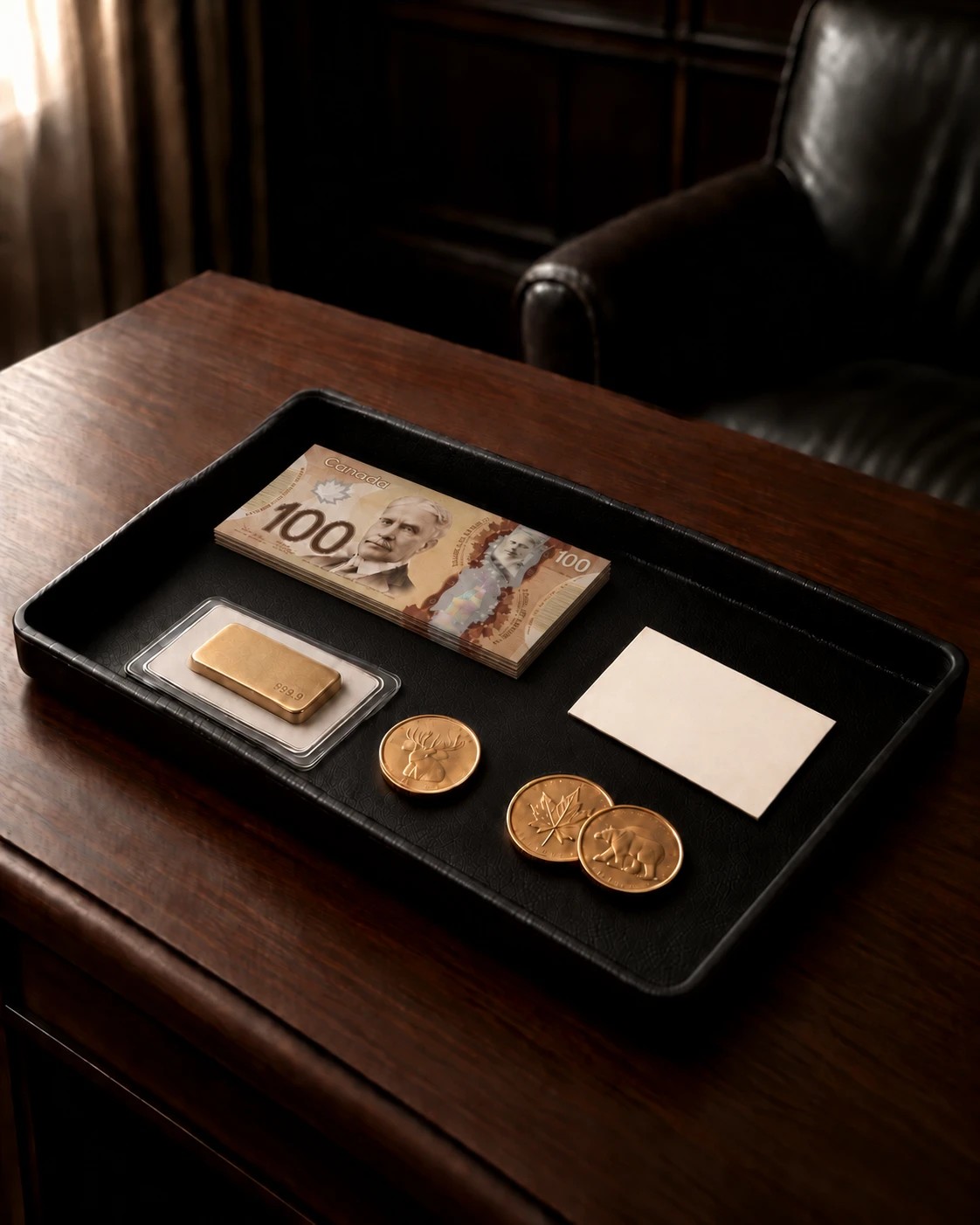
Liquidity
Here, metal is capital. Precious metals are bought and sold in confidence, investment bars and coins are offered, and a loan can be arranged against a piece.
See all services
Concierge
Busy, pressed for time or visiting the city? Your time matters. A House clerk comes to you, at your hotel, your office or your home, for pickup and delivery anywhere in Greater Montreal.
Make a special request

May we help?
The Live Desk
Open 24 hours
Write to the House at any hour of the day or night, and the Desk answers you live.
For the status of an order, have your file number at hand.
Design Counsellors
A study in form
Jewellery, gifts and pieces for the table. A counsellor helps you give your idea its shape, from modelling to prototyping, and settle the practical details.
Speak with a counsellorBusinesses & institutions
Dedicated team
Recognition pieces, awards, numbered series and gifts for an organisation, handled by a dedicated House team.
Present a project